
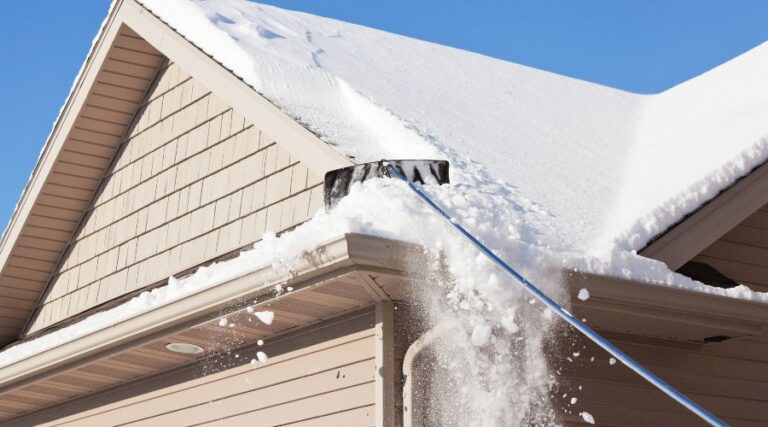
Winter in Rochester, MN, brings heavy snowfall, freezing temperatures, and challenging conditions for homeowners. One of the most common cold-weather roofing problems in southeastern Minnesota is the formation of ice dams. If left untreated, they can damage shingles, cause leaks, and lead to costly interior repairs. Understanding how ice dams form—and how to prevent them—can help protect your home throughout the winter.
At Brauer Roofing Inc, we help homeowners safeguard their roofs with proven winter roofing solutions designed specifically for Minnesota’s climate.
What Are Ice Dams and Why Do They Form?
Ice dams occur when snow on your roof melts due to heat escaping from your home and then refreezes at the colder roof edges. Over time, this frozen ridge blocks proper drainage. As more snow melts, water pools behind the ice and can seep under shingles and into your home.
In Rochester’s long winters, repeated freeze-thaw cycles make roofs especially vulnerable. Even newer homes can experience ice dam roofing issues if insulation, ventilation, or roofing materials are not optimized for cold weather.
Common Signs of Ice Dams on Your Roof
Homeowners often don’t realize there’s a problem until visible damage appears. Watch for these warning signs during winter:
- Large icicles hanging from eaves or gutters
- Ice buildup along roof edges
- Water stains on ceilings or walls
- Peeling paint or warped drywall
- Damp insulation in the attic
Catching these signs early can help minimize damage and repair costs.
Click here for Common Roof Problems
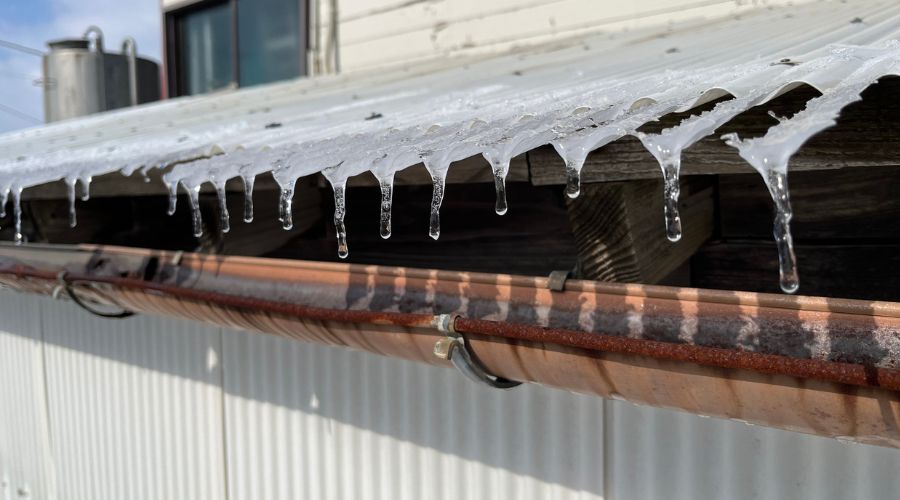
How Ice Dams Damage Your Home
Ice dams do more than create an unsightly roofline. Trapped water can penetrate roofing materials, leading to mold growth, rotting wood, and compromised insulation. Over time, structural components such as rafters and decking may weaken. Gutters can also pull away from the roof under the weight of ice.
For homes in Rochester, MN, where winters are long and severe, prevention is far more cost-effective than emergency repairs.
Proven Ways to Prevent Ice Dams
Preventing ice dams requires controlling heat, moisture, and snow accumulation. A comprehensive approach delivers the best results.
Improve Attic Insulation
Proper insulation keeps warm air inside your home, preventing uneven roof temperatures. When heat doesn’t escape into the attic, snow on the roof melts more slowly and evenly.
Ensure Proper Roof Ventilation
Balanced ventilation allows cold air to circulate through the attic, keeping the roof surface consistently cold. This reduces melting and refreezing cycles that lead to ice dams.
Seal Air Leaks
Gaps around chimneys, vents, and attic access points allow warm air to rise into the attic. Sealing these leaks is a critical step to prevent ice dams and improve energy efficiency.
Roof Design and Materials
Certain Rochester roofing services handle winter conditions better than others. A metal roof ice dam issue is less common than with asphalt shingles because metal sheds snow more efficiently, reducing buildup along the edges.
Storm Season Survival: How to Prepare Your Roof for Extreme Weather
Professional Solutions That Make a Difference
While temporary measures like roof raking can help, long-term prevention often requires professional expertise. This is where Ice Dam Removal services become essential during severe winters. When ice buildup is already present, professionals use safe steam-based methods to remove ice without damaging shingles or flashing.
Homeowners searching for Ice Dam Removal near me often need fast, reliable service to prevent interior leaks during peak winter months.
One-Time Prevention Checklist for Homeowners
Taking proactive steps before winter arrives can significantly reduce your risk:
- Inspect attic insulation levels
- Check the roof and soffit ventilation
- Seal attic air leaks
- Clean gutters before snowfall
- Schedule a professional roof inspection
Completing these steps early helps prevent ice dams and extends the life of your roofing system.
Understanding the Cost and Value of Professional Help
Many homeowners wonder about the cost for ice dam removal and whether professional service is worth it. While pricing varies depending on roof size, ice severity, and accessibility, professional removal is often far less expensive than repairing water damage, mold, or structural rot caused by trapped moisture.
Investing in professional prevention and maintenance can save thousands of dollars over time and provide peace of mind throughout the winter season.
Why Choose Brauer Roofing Inc in Rochester, MN?
As a locally trusted roofing company, Brauer Roofing Inc understands the unique winter challenges homeowners face in Rochester and the surrounding areas. Our team combines regional expertise with high-quality materials and proven techniques to protect your home year-round.
We focus not only on short-term fixes but also on long-term solutions that improve energy efficiency, roof performance, and durability. When winter storms hit, having a dependable local roofing partner makes all the difference.
How to Find the Right Roofing Service for Your Home: A Homeowner’s Guide
Contact Brauer Roofing Inc
Don’t let ice dams put your home at risk this winter. Whether you’re noticing early signs of ice buildup or want to take preventive steps before the next snowfall, the experienced team at Brauer Roofing Inc is ready to help with reliable inspections and effective roofing solutions designed for Minnesota’s harsh winters.
Proudly serving Rochester, MN, and surrounding areas, you can contact Brauer Roofing Inc at 507-252-1728 or info@brauerroofinginc.com to schedule a professional roof inspection and enjoy peace of mind knowing your home is protected all winter long.
Frequently Asked Questions (FAQs)
Q1: Can ice dams cause roof leaks even if shingles look fine?
Yes. Water can back up under shingles and penetrate the roof deck, causing leaks without visible exterior damage. Ice dams often trap melting snow, allowing moisture to seep into insulation and interior ceilings.
Q2: Do heated cables completely prevent ice dams?
Heat cables can help reduce ice buildup in specific areas, but they are not a complete solution. Proper attic insulation and ventilation are still essential to prevent uneven roof temperatures that lead to ice dam formation.
Q3: Are older homes more prone to ice dams?
Older homes often have less insulation and ventilation, making them more susceptible to ice dams. However, newer homes can also experience problems if airflow is inadequate or insulation is improperly installed.
Q4: Is it safe to remove ice dams yourself?
Manual removal can damage shingles or cause injury, especially when using sharp tools or climbing onto icy roofs. Professional ice dam removal methods are safer and more effective for protecting your roof long term.
Q5: When should I schedule a roof inspection?
Ideally, schedule a roof inspection in the fall before snowfall begins. You should also arrange an inspection immediately if you notice ice buildup along roof edges or signs of interior water leaks during winter.
