
Improving roof energy efficiency Rochester MN homeowners rely on starting with understanding how your roof actually affects your utility bills. Most people assume insulation and windows control energy costs alone. However, your roof plays an equally important role in regulating indoor temperature throughout the year. Brauer Roofing Inc. helps homeowners understand this connection every day, and this guide explains exactly how a new asphalt shingle roof can lower your energy bills in Rochester’s demanding climate.
Why Your Roof Affects Energy Costs More Than You Think
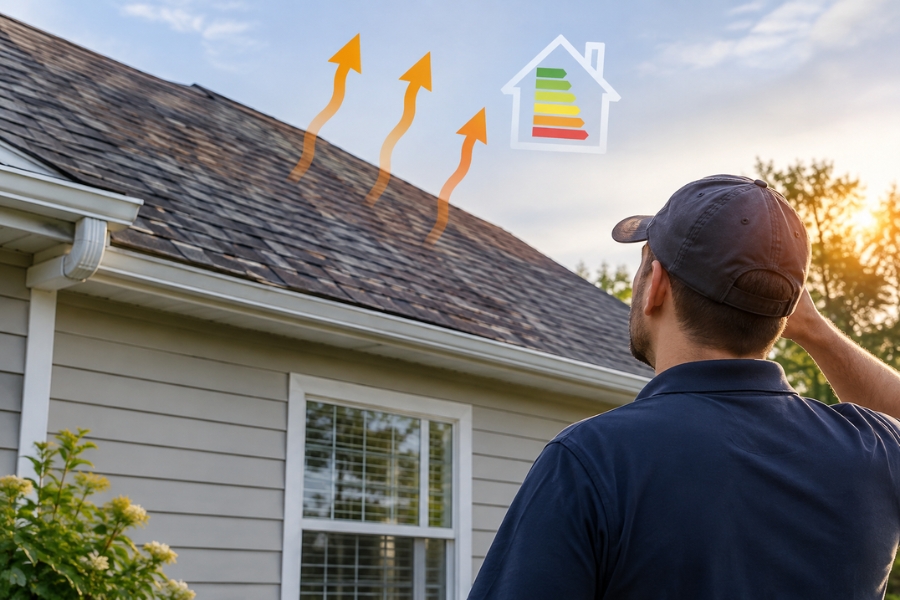
Your roof covers the largest surface area of your home’s exterior, so it directly influences how much heat enters or escapes. During summer, sunlight beats down on aging shingles and transfers heat into your attic. Meanwhile, during winter, poor insulation lets warm air escape upward through your roof deck.
Because of this constant exchange, an aging or poorly ventilated roof forces your HVAC system to work harder year-round. Therefore, replacing an old roof, as Brauer Roofing Inc. often recommends for aging roofing systems, can deliver noticeable savings, even though homeowners rarely expect roofing to impact their energy bills significantly.
How an Aging Roof Drives Up Your Utility Bills
Older roofing systems develop small gaps, worn flashing, and compressed insulation over time. As a result, conditioned air slips outside more easily, and your furnace or air conditioner must compensate by running longer cycles. This pattern repeats every single day, quietly raising your monthly energy costs.
In addition, cracked or curling shingles reduce your roof’s ability to reflect sunlight properly. Consequently, your attic absorbs more heat during summer months, which pushes your cooling system to work overtime just to maintain a comfortable indoor temperature.
What Makes a New Asphalt Shingle Roof More Energy Efficient
A properly installed asphalt shingle roof improves energy efficiency through several combined factors. First, new shingles reflect sunlight far more effectively than worn, faded materials. Additionally, modern underlayment creates a tighter moisture and air barrier than older roofing systems ever could.
Proper installation also restores balanced attic ventilation, which regulates temperature naturally instead of forcing your HVAC system to compensate. Together, these improvements reduce heat transfer in both directions, keeping your home cooler in summer and warmer in winter without constant mechanical effort.
The Role of Insulation and Ventilation
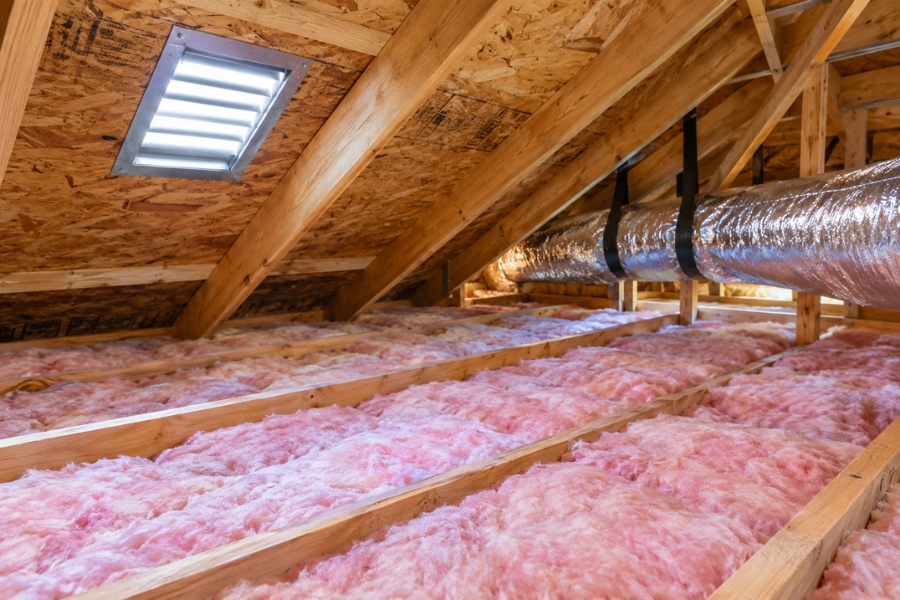
Your roof and attic work as a connected system, not as separate components. Therefore, upgrading your shingles alone will not deliver maximum savings if your insulation remains outdated or your ventilation stays blocked. A complete Residential Roofing upgrade addresses insulation depth, airflow balance, and shingle performance together, since each element reinforces the others.
When these systems work in harmony, your attic maintains a more stable temperature throughout the year. This stability reduces strain on your heating and cooling equipment, which directly translates into lower monthly utility bills and fewer unexpected repair calls down the road.
How Rochester’s Climate Makes Energy Efficiency Even More Important
Minnesota winters push heating systems to their limits, and Rochester homeowners feel that impact directly on their monthly bills. When your roof lacks proper insulation and ventilation, warm air escapes continuously, forcing your furnace to run far longer than necessary just to maintain comfort.
This same imbalance also contributes to a separate seasonal problem. When heat escapes unevenly through your roof deck, it melts snow inconsistently, which often leads to Ice Dam Removal needs along your eaves every winter. Addressing energy efficiency during a roof replacement, therefore, solves two problems simultaneously rather than treating them as unrelated issues.
Signs Your Roof May Be Hurting Your Energy Efficiency
Watch for these common warning signs throughout the year, since they often indicate your roof is costing you more than necessary:
- Noticeably higher heating or cooling bills compared to similar homes nearby
- Uneven indoor temperatures between upstairs and downstairs rooms
- Ice dams forming repeatedly along the same sections of your roofline
- A warm, stuffy attic during cold winter months
- Visible daylight or drafts around attic vents and roof penetrations
If you notice two or more of these signs, scheduling a professional roof evaluation can help identify exactly where your home is losing energy.
Practical Steps to Improve Your Roof’s Energy Performance
Consider these steps before your next heating or cooling season arrives:
- Schedule a professional roof and attic inspection to assess current performance.
- Confirm your insulation meets Minnesota’s recommended depth for your climate zone.
- Verify that soffit and ridge vents remain clear and fully functional.
- Ask your contractor about reflective or energy-rated shingle options.
- Replace aging shingles before they develop cracks, curling, or granule loss.
Taking these steps proactively helps your home maintain comfortable temperatures while reducing strain on your energy bills.
Start Saving With a Roof Built for Rochester Winters
Brauer Roofing Inc. designs every installation with Rochester’s climate in mind, balancing proper ventilation, quality materials, and expert workmanship to maximize your home’s energy performance. Instead of guessing why your energy bills keep climbing, you can get a clear, honest evaluation from a team that understands Minnesota roofing inside and out. Call Brauer Roofing Inc. today at (507) 252-1728 to schedule your energy efficiency roof inspection.
Frequently Asked Questions
Can a new roof really lower my energy bills?
Yes, a properly installed asphalt shingle roof improves insulation, reflects heat more effectively, and restores balanced ventilation, which together reduce strain on your heating and cooling systems.
How much can I expect to save on energy bills after a roof replacement?
Savings vary based on your home’s size, insulation condition, and previous roof age, though most homeowners notice more stable monthly bills rather than one dramatic drop.
Does roof color affect energy efficiency in Minnesota?
Lighter shingle colors reflect more sunlight during summer, though Minnesota’s cold winters mean overall insulation and ventilation typically matter more than color alone.
How often should I have my roof checked for energy efficiency issues?
Most Rochester homeowners benefit from an inspection every two to three years, or sooner if they notice rising bills or recurring ice dams.
Does Brauer Roofing Inc. offer energy efficiency evaluations?
Yes, Brauer Roofing Inc. evaluates insulation, ventilation, and shingle condition together to give Rochester homeowners a clear picture of their roof’s energy performance.
