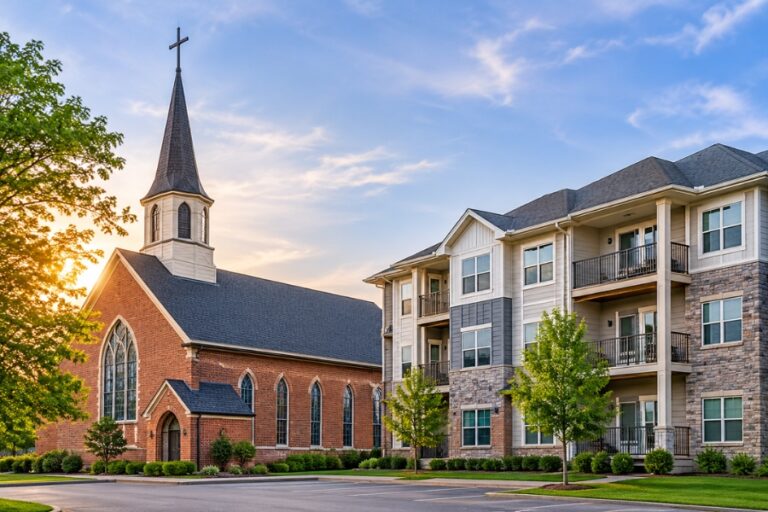
Churches and multi-family properties require careful roofing decisions because their buildings serve many people and protect valuable shared spaces. From large roof surfaces to seasonal weather challenges, property owners must consider durability, maintenance, and long-term performance. Brauer Roofing Inc. understands the roofing needs of churches, condominiums, and multi-family structures in Rochester, MN. Choosing the right roofing approach helps property managers protect occupants, reduce unexpected problems, and maintain the building’s overall condition.
1. Understand the Roofing Needs of Your Property
Every building has different roofing requirements. A church may feature a large roof with multiple slopes, towers, or architectural details. Meanwhile, multi-family properties often include several connected units that share one roofing system.
Therefore, property owners should evaluate the building’s structure before planning any roofing project. Consider the roof’s age, existing materials, drainage, and previous repair history. These details help determine whether the building needs targeted repairs, maintenance, or a complete roof replacement.
For churches, protecting gathering spaces, offices, and storage areas remains especially important. Similarly, multi-family property managers must consider how roofing problems could affect several households at once.
2. Select Roofing Materials That Support Long-Term Performance
Roofing materials play an important role in protecting large properties. Churches and multi-family buildings need materials that can handle changing temperatures, heavy snowfall, rain, and strong winds throughout the year.
When comparing roofing options, consider these factors:
- Durability: Choose materials that can withstand Minnesota’s changing weather conditions.
- Weather Resistance: Look for products that provide dependable protection against moisture and temperature changes.
- Appearance: Select colors and styles that complement the building’s architecture.
- Maintenance: Consider the ongoing care that different roofing materials require.
- Warranty: Review manufacturer coverage and understand the conditions that apply.
Additionally, property owners should discuss material options with an experienced roofing professional. The right recommendation depends on the building’s structure, existing roof, and long-term maintenance goals.
3. Plan Roof Inspections Before Small Problems Grow
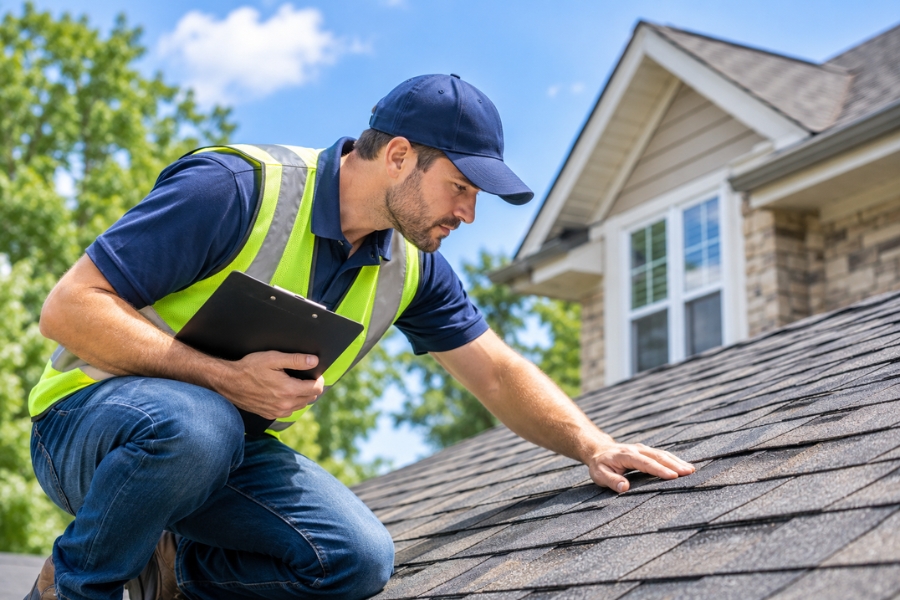
Large buildings can develop roofing problems that remain unnoticed until water enters the interior. Even a small damaged area can affect ceilings, insulation, electrical components, and shared living spaces.
Regular inspections help property owners identify potential concerns before they require extensive work. Pay attention to these common warning signs:
- Missing, cracked, or curling shingles.
- Damaged flashing around chimneys and roof openings.
- Water stains on ceilings or upper walls.
- Loose roofing materials after strong winds.
- Blocked gutters and improper water drainage.
- Moisture or dampness in attic spaces.
Furthermore, schedule inspections after severe weather events. A professional can assess visible damage and recommend appropriate next steps. Early attention also helps property managers plan repairs instead of responding to unexpected emergencies.
4. Consider Maintenance for Shared Residential Buildings
Multi-family properties require a consistent maintenance approach because one roofing issue can affect multiple units. Property managers should establish a maintenance schedule and communicate roofing concerns with residents.
For example, Residential Roofing considerations become especially important when condominiums and apartment-style properties share roof structures. Managers should monitor shingle conditions, flashing, ventilation, and drainage throughout the year.
A practical maintenance plan should include:
- Checking gutters and downspouts for blockages.
- Looking for loose or damaged shingles.
- Monitoring attic ventilation and moisture.
- Reviewing previous inspection reports.
- Addressing visible leaks promptly.
- Scheduling professional assessments when necessary.
In addition, maintain clear records of completed work and recommended improvements. These records help property managers understand recurring issues and make informed decisions about future roofing investments.
5. Prepare for Minnesota’s Winter Roofing Challenges
Rochester winters bring freezing temperatures, snowfall, and repeated freeze-thaw cycles. These conditions can place additional stress on roofing systems, especially on buildings with complex rooflines.
Snow accumulation can increase roof loads, while melting and refreezing can contribute to ice formation along roof edges. Ice dams may also prevent proper water drainage and allow moisture to move beneath roofing materials.
Property owners should monitor winter conditions and arrange professional assistance when they notice significant ice buildup. Avoid climbing onto snowy roofs or attempting dangerous removal methods.
Professional Roofing Repair services can help address damaged shingles, flashing problems, and other concerns that develop during winter. Likewise, timely Ice-dam Removal can help reduce the risk of moisture-related damage.
Brauer Roofing Inc. understands the seasonal roofing challenges that Rochester property owners face and provides roofing-related services for homes, condominiums, multi-family structures, and churches.
6. Coordinate Roofing Projects Around Building Occupancy
Churches and multi-family communities often have busy schedules. Churches may host weekly services, community gatherings, and special events. Multi-family buildings must also accommodate residents, visitors, and daily property operations.
Therefore, project planning should account for building activities and occupant safety.
Before work begins, property managers should discuss the project schedule, access requirements, material delivery, and expected construction activity with the roofing contractor.
Consider these practical steps:
- Notify occupants about upcoming roofing work.
- Establish safe areas around the construction site.
- Coordinate material deliveries and equipment access.
- Plan work around important building activities.
- Maintain communication throughout the project.
Clear communication helps everyone understand the work schedule and reduces unnecessary disruptions.
7. Choose an Experienced Roofing Professional
Churches and multi-family properties need a roofing professional who understands different building structures and the importance of careful project planning.
Before selecting a contractor, review their experience, insurance, licensing, material recommendations, and warranty information. Ask how they evaluate existing roof conditions and explain the available solutions.
Brauer Roofing Inc. brings more than 30 years of roofing experience through owner Jeff Brauer and has served the Rochester community since 1998. The company also works with homeowners, condominiums, multi-family structures, and churches.
Working with an experienced local roofing company helps property owners understand their options and make informed decisions about protecting their buildings.
Protect Your Property With Professional Roofing Support
A dependable roofing system helps churches and multi-family communities protect their buildings, occupants, and shared spaces. From routine inspections to seasonal maintenance and necessary repairs, timely attention supports better long-term roof performance.
Brauer Roofing Inc. provides experienced roofing support for properties throughout Rochester, MN. Whether you manage a condominium, oversee a church, or maintain a multi-family building, the right roofing guidance can help you plan your next project with confidence.
Call us at (507) 252-1728 to discuss your roofing needs and request a free, no-obligation estimate.
Frequently Asked Questions
1. How often should churches and multi-family properties have their roofs inspected?
Property owners should arrange professional roof inspections at least once a year. Additional inspections after severe storms or significant winter weather can help identify damage early.
2. What roofing problems commonly affect multi-family properties in Rochester MN?
Common problems include missing shingles, damaged flashing, moisture intrusion, blocked gutters, poor drainage, and ice dams. Regular inspections help property managers address these concerns promptly.
3. Can one roofing problem affect multiple units in a condominium?
Yes. A leak or damaged section of a shared roof can allow moisture to spread into multiple units, ceilings, walls, and common areas. Prompt professional attention helps limit further damage.
4. How can property managers prepare for a roofing project?
Property managers should arrange an initial roof assessment, establish a project schedule, notify occupants, coordinate site access, and discuss safety requirements with the roofing contractor.
