
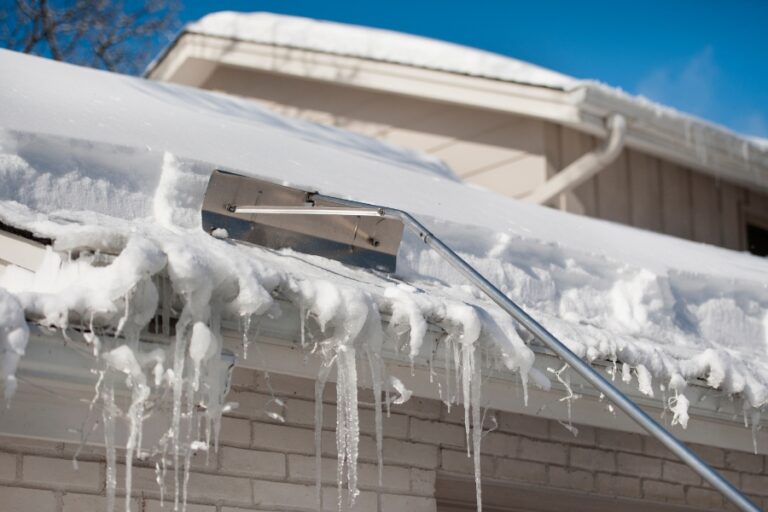
Winter weather in Minnesota can leave behind more roof damage than many homeowners expect. After months of snow, freezing temperatures, and melting ice, small roofing problems often become serious structural issues. That is why homeowners should inspect their roofs carefully once spring arrives. If you are searching for reliable Ice Dam Removal Rochester MN solutions, understanding what to check after winter can help you prevent expensive repairs later in the year.
Ice dams develop when warm air escapes through the attic and melts snow on the roof. As the melted snow reaches colder roof edges, it freezes again and creates a barrier that traps water behind it. Over time, trapped water slips under shingles and enters the home. Even after winter ends, the effects of ice dams can continue causing damage beneath the surface.
Check for Missing or Damaged Shingles
Winter storms place constant pressure on roofing materials. Heavy snow, freezing rain, and strong winds often loosen shingles or crack their surfaces. Once temperatures rise, inspect your roof from the ground and look for missing sections, curling edges, or dark patches where granules have worn away.
Damaged shingles leave the roof vulnerable to moisture intrusion during spring rains. When water reaches the underlayment or decking, leaks spread quickly throughout the home. Early inspections allow homeowners to address small issues before they turn into larger roofing projects.
Inspect Gutters and Downspouts
Ice buildup during winter often bends gutters or loosens fasteners along the roofline. In many cases, homeowners do not notice the damage until spring storms arrive and water begins overflowing near the foundation.
Check gutters for sagging sections, cracks, or debris left behind after snowmelt. Clear drainage systems help move water safely away from the home and reduce the risk of additional roof stress. Proper water flow also prevents standing moisture that can damage fascia boards and siding.
Look for Water Stains Indoors
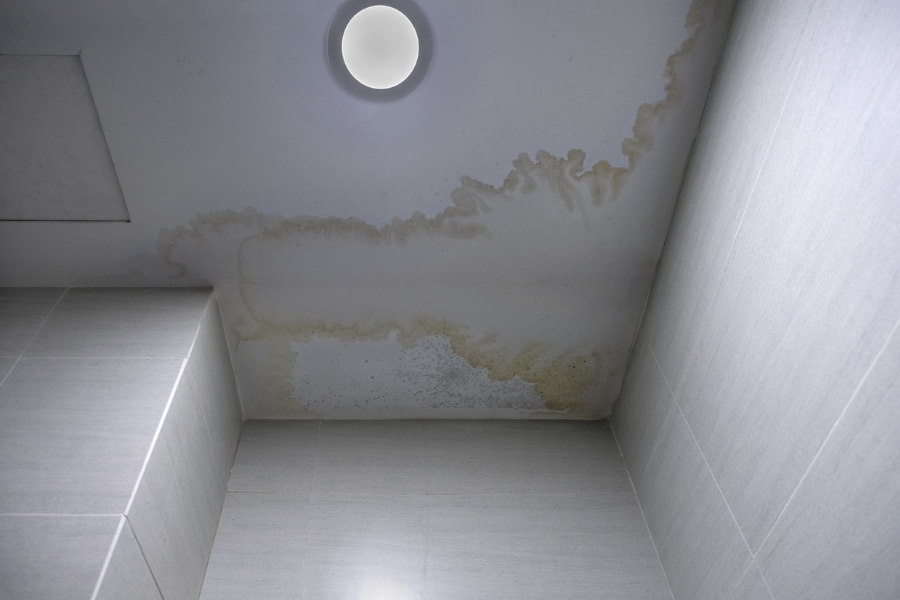
Ice dam damage frequently appears inside the house before homeowners notice roof problems outdoors. Water trapped beneath shingles slowly moves into ceilings, attic insulation, and wall cavities.
Inspect ceilings for yellow stains, bubbling paint, or peeling drywall. Pay close attention to attic spaces where moisture often lingers unnoticed. Damp insulation loses efficiency and encourages mold growth, which affects indoor air quality and increases repair costs.
Many homeowners schedule professional Ice Dam Removal Rochester MN services after noticing these interior warning signs because hidden moisture damage can continue spreading long after snow disappears.
Examine Attic Ventilation
Poor attic airflow remains one of the leading causes of ice dams in Minnesota homes. Warm attic temperatures melt rooftop snow unevenly, which creates repeated freeze-thaw cycles along the roof edge.
After winter ends, inspect attic vents for blockages and confirm that insulation does not restrict airflow. Balanced ventilation helps maintain consistent roof temperatures and reduces the risk of future ice dam formation.
Homeowners who improve attic ventilation often notice lower energy bills and better indoor comfort during both winter and summer months. Simple ventilation corrections can significantly extend the lifespan of a roofing system.
Watch for Mold or Mildew Growth
Moisture trapped behind walls or above ceilings creates the perfect environment for mold growth. Even small roof leaks caused by ice dams can introduce enough moisture to trigger mildew problems over time.
Look for musty odors, discoloration near ceiling corners, or damp attic surfaces. Mold spreads quickly when ignored, especially during humid spring conditions. Fast action prevents additional structural damage and protects indoor air quality.
Professional inspections help identify hidden moisture before it affects larger portions of the home. Roofing specialists often use detailed evaluations to locate vulnerable areas that homeowners cannot easily see from the ground.
Check Flashing Around Roof Penetrations
Roof flashing protects vulnerable areas around chimneys, vents, and skylights. During winter, expanding ice can loosen flashing materials and create small openings where water enters the roof structure.
Inspect these areas carefully once snow melts completely. Rusted flashing, separated sealant, or visible gaps indicate potential leak points. Spring rainfall often exposes these weak spots quickly.
Addressing flashing issues early helps homeowners avoid larger structural problems during storm season. In many cases, prompt maintenance eliminates the need for more extensive restoration work later in the year.
Schedule a Professional Roof Inspection
Some winter roof damage remains difficult to identify without professional Ice Dam Removal Rochester MN experience. Small leaks, soft decking, or hidden moisture often develop quietly beneath roofing materials.
A professional inspection provides a complete assessment of the roof’s condition after winter weather. Roofing experts can identify weakened materials, ventilation concerns, and drainage problems before summer storms arrive.
Experienced contractors also recommend the right roofing repair services based on the roof’s age, condition, and overall performance. Preventive repairs often cost far less than emergency restoration after severe weather damage occurs.
Prepare Your Roof for Spring Storms
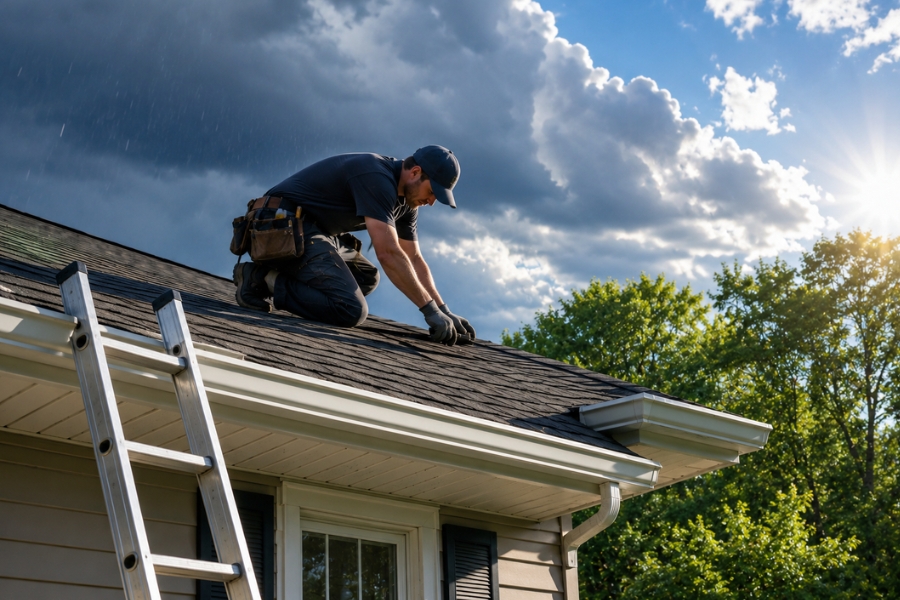
Minnesota spring weather brings heavy rain, strong winds, and rapid temperature changes. Roofs weakened by winter conditions face a much higher risk of storm-related damage during this season.
Homeowners who complete inspections early can reinforce vulnerable areas before severe weather arrives. Replacing damaged shingles, improving drainage, and correcting attic ventilation all help strengthen roof performance throughout the year.
Routine maintenance also improves curb appeal and protects long-term property value. Small preventive steps today often prevent major expenses in the future.
Protect Your Home with Local Roofing Experts
Winter weather can leave hidden roof damage behind even after snow and ice disappear. Taking time to inspect your roof during spring helps you catch problems early and avoid costly structural repairs later in the year. Brauer Roofing Inc. helps homeowners identify roofing issues before they become major problems.
Homeowners across Rochester trust local roofing professionals with strong reviews on Google Business Profile and Facebook for dependable roofing support throughout every season. Whether you need inspections, maintenance, or professional ice dam solutions, experienced local experts can help protect your home from costly damage. Call 507-252-1728 today to schedule reliable roofing support in Rochester and surrounding Minnesota communities.
FAQs
Q1. How do I know if my roof had ice dam damage during winter?
Common signs include ceiling stains, peeling paint, attic moisture, damaged shingles, and overflowing gutters. A professional roof inspection can confirm hidden damage.
Q2. Are ice dams still a problem after winter ends?
Yes. Ice dams often leave behind moisture damage that continues affecting the roof, attic, insulation, and walls long after the snow melts.
Q3. Can poor attic ventilation cause ice dams?
Yes. Warm attic air melts rooftop snow unevenly, which leads to refreezing at the roof edge and creates ice dams.
Q4. When should I schedule a roof inspection after winter?
Most homeowners should schedule an inspection during early spring before heavy rain and summer storm season begin.
