Introduction
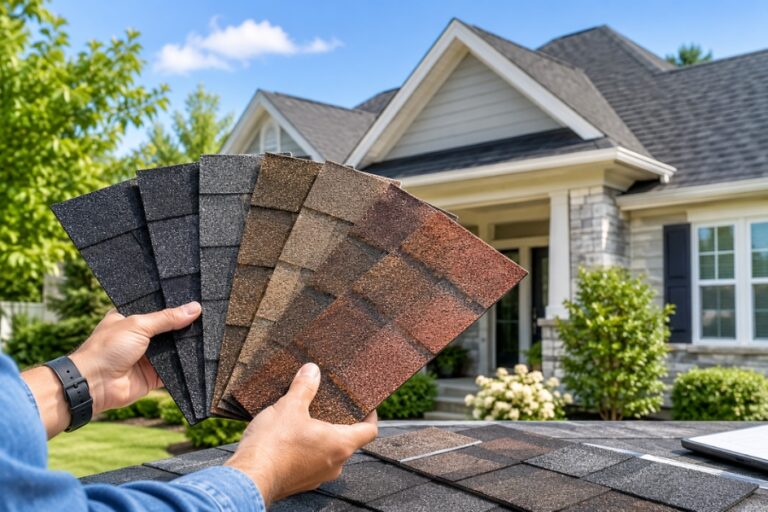
Choosing the right roof color can make a significant difference in your home’s overall appearance. Your roof covers a large portion of the exterior, so its color should complement your siding, brickwork, trim, and architectural style. Brauer Roofing Inc. helps Rochester, MN homeowners make informed roofing decisions that balance appearance, durability, and long-term value. By understanding different roof shingle colors, you can select an option that creates a balanced exterior and reflects your personal style.
1. Consider Your Home’s Existing Exterior Colors
Before selecting new shingles, take a close look at your home’s existing exterior. Your roof should complement the colors and materials that already define your property.
For example, homes with white or light-colored siding often pair well with charcoal, gray, or brown shingles. Meanwhile, beige and cream exteriors can look attractive with warm brown or weathered wood tones.
Brick homes also offer several attractive options. Red brick often complements dark gray, brown, and charcoal roofing. Similarly, homes with stone accents can benefit from neutral roofing shades that connect the different exterior elements.
Therefore, consider these details before making your decision:
- Siding color and material.
- Brick or stone accents.
- Window frames and exterior trim.
- Garage doors and entryway finishes.
- Existing exterior design features.
A coordinated color combination creates a more polished appearance and helps your roof blend naturally with the rest of your home. Brauer Roofing Inc. brings over 30 years of roofing experience to help Rochester homeowners explore suitable roofing choices.
2. Understand How Different Shingle Colors Change Your Home’s Appearance
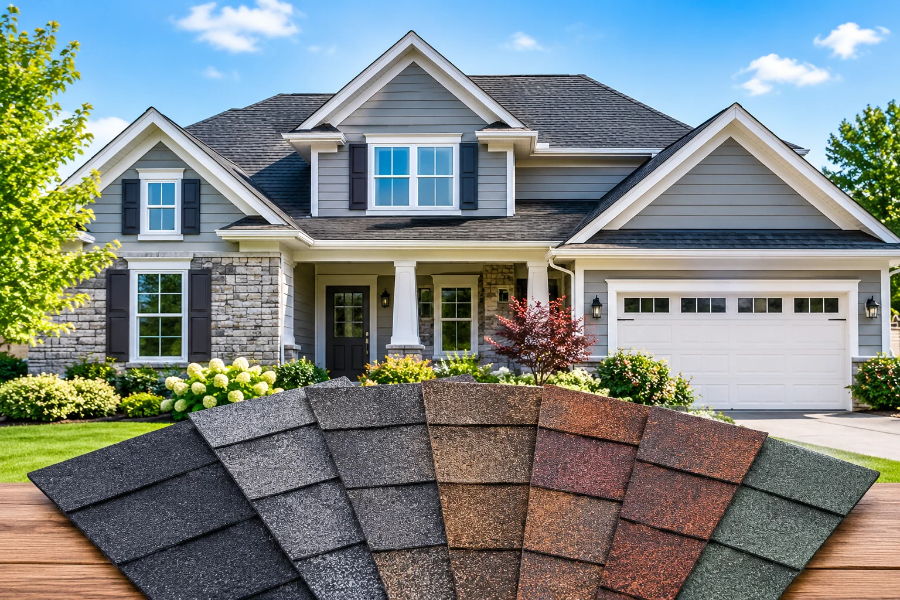
Roofing colors can influence the visual character of your property. Some shades create a traditional appearance, while others provide a more modern finish.
Here are several popular options homeowners can consider:
Charcoal and Dark Gray: These shades create a clean, classic appearance. They work particularly well with white siding, brick exteriors, and modern architectural designs.
Weathered Wood: This option combines brown and gray tones. As a result, it complements many traditional homes and natural exterior materials.
Brown Shingles: Warm brown shades pair well with beige siding, cream finishes, and homes with wooden exterior details.
Light Gray Shingles: These colors create a softer appearance and work well with white, blue, and other light exterior finishes.
Black Shingles: Black roofing creates a strong contrast against lighter siding. However, homeowners should consider the overall exterior design before selecting such a bold shade.
Ultimately, compare several samples before choosing a final color.
3. Match Roofing Colors With Your Home’s Architectural Style
Your home’s architectural style can help narrow down suitable roofing options. Traditional homes often look attractive with brown, gray, or weathered wood shingles. In contrast, contemporary homes may benefit from charcoal or darker neutral shades.
For example, a classic two-story home with white siding can create an elegant appearance with dark gray shingles. Similarly, a property with natural stone accents may look more balanced with warm brown roofing.
Additionally, consider the surrounding neighborhood. You do not need to copy nearby homes. However, selecting a color that complements the surrounding properties can help maintain a cohesive streetscape.
Residential Roofing decisions should always consider both appearance and practical performance. Therefore, choose a color that suits your architectural style without overlooking the quality of the roofing material.
4. Think About Rochester’s Weather and Seasonal Conditions
Rochester, MN experiences changing weather throughout the year. Homeowners face warm summers, freezing winters, snowfall, and seasonal temperature changes. Therefore, roofing material selection deserves careful attention.
Darker shingles absorb more sunlight than lighter shades. However, actual roof temperatures also depend on ventilation, insulation, roof construction, and other factors. Similarly, lighter shingles reflect more sunlight, although they do not automatically guarantee lower energy bills.
More importantly, homeowners should prioritize shingle quality, proper installation, and suitable ventilation rather than choosing a color based only on temperature.
Winter conditions also require attention. Snow accumulation, moisture, and freezing temperatures can affect roofing performance regardless of the selected shade.
5. Compare Shingle Samples Before Making a Final Decision
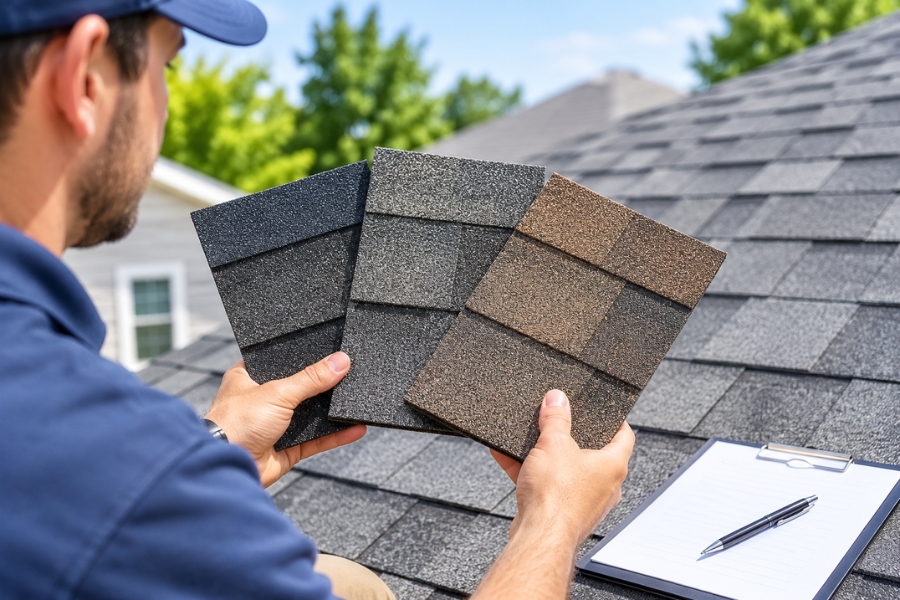
A roofing sample can look different outdoors than it does in a showroom or online photograph. Lighting conditions, surrounding materials, and viewing angles can change how a color appears.
Consequently, request physical samples whenever possible. Then, compare them against your siding, brickwork, and exterior trim.
Use these simple steps to make a better decision:
- Place samples against your home’s exterior.
- View them in morning and afternoon sunlight.
- Compare them during cloudy weather.
- Check how they look beside your windows and trim.
- Review the available manufacturer color options.
Furthermore, consider how the color will look throughout different seasons. A shade that appears attractive in summer should also complement your property during winter.
6. Balance Visual Appeal With Long-Term Roofing Maintenance
A beautiful roof should also provide dependable protection. Therefore, homeowners should evaluate the shingle material, manufacturer specifications, installation requirements, and warranty coverage before making a final selection.
In addition, ask a roofing professional about maintenance requirements and common issues associated with your existing roof structure.
For example, damaged or missing shingles can allow moisture to enter vulnerable areas. Prompt Roofing Repair helps address these problems before they affect larger sections of the roof.
Homeowners should also pay attention to drainage, attic ventilation, and seasonal maintenance. During winter, ice accumulation may create additional concerns. Professional Ice-dam Removal can help address hazardous buildup and reduce the risk of water intrusion.
Brauer Roofing Inc. helps homeowners evaluate roofing options while considering the condition and long-term needs of their properties.
7. Work With a Roofing Professional Before Selecting Your Shingles
Choosing a roof color becomes easier when you understand your home’s exterior, roofing requirements, and available material options. However, professional guidance can help you avoid mismatched colors and unsuitable material choices.
An experienced roofing contractor can assess your existing roof, explain available shingle options, and help you understand the installation process.
Before starting your project, discuss:
- Available shingle colors and styles.
- Manufacturer specifications and warranties.
- Existing roof conditions.
- Installation recommendations.
- Project estimates and timelines.
These discussions help you make a confident decision while keeping your roofing priorities clear.
Give Your Home a Fresh Look With the Right Roofing Choice
Choosing the right shingle color can enhance your home’s exterior, complement its architectural style, and improve curb appeal. Follow our Google Business Profile and Facebook for roofing tips, design ideas, and helpful updates.
With over 30 years of roofing experience, homeowners can explore quality shingle options for lasting performance. Call (507) 252-1728 to discuss your roofing project and request a free, no-obligation estimate.
Frequently Asked Questions
1. What is the most popular roof shingle color for residential homes?
Gray, charcoal, brown, and weathered wood remain popular choices. However, the best option depends on your home’s siding, brickwork, architectural style, and personal preferences.
2. Should roof shingles match the color of my house?
Roof shingles do not need to match your siding exactly. Instead, choose a complementary shade that creates a balanced appearance with your home’s exterior finishes.
3. Do dark roof shingles make a house hotter?
Dark shingles generally absorb more sunlight than lighter shingles. However, attic ventilation, insulation, roofing materials, and overall roof construction also influence indoor temperatures.
4. Can I change my roof shingle color during replacement?
Yes. Homeowners can usually select a different available shingle color during a roof replacement. However, they should review the available options and consider how the new shade will complement the existing exterior.
